The Hidden Costs of Deferred Maintenance in Commercial Buildings
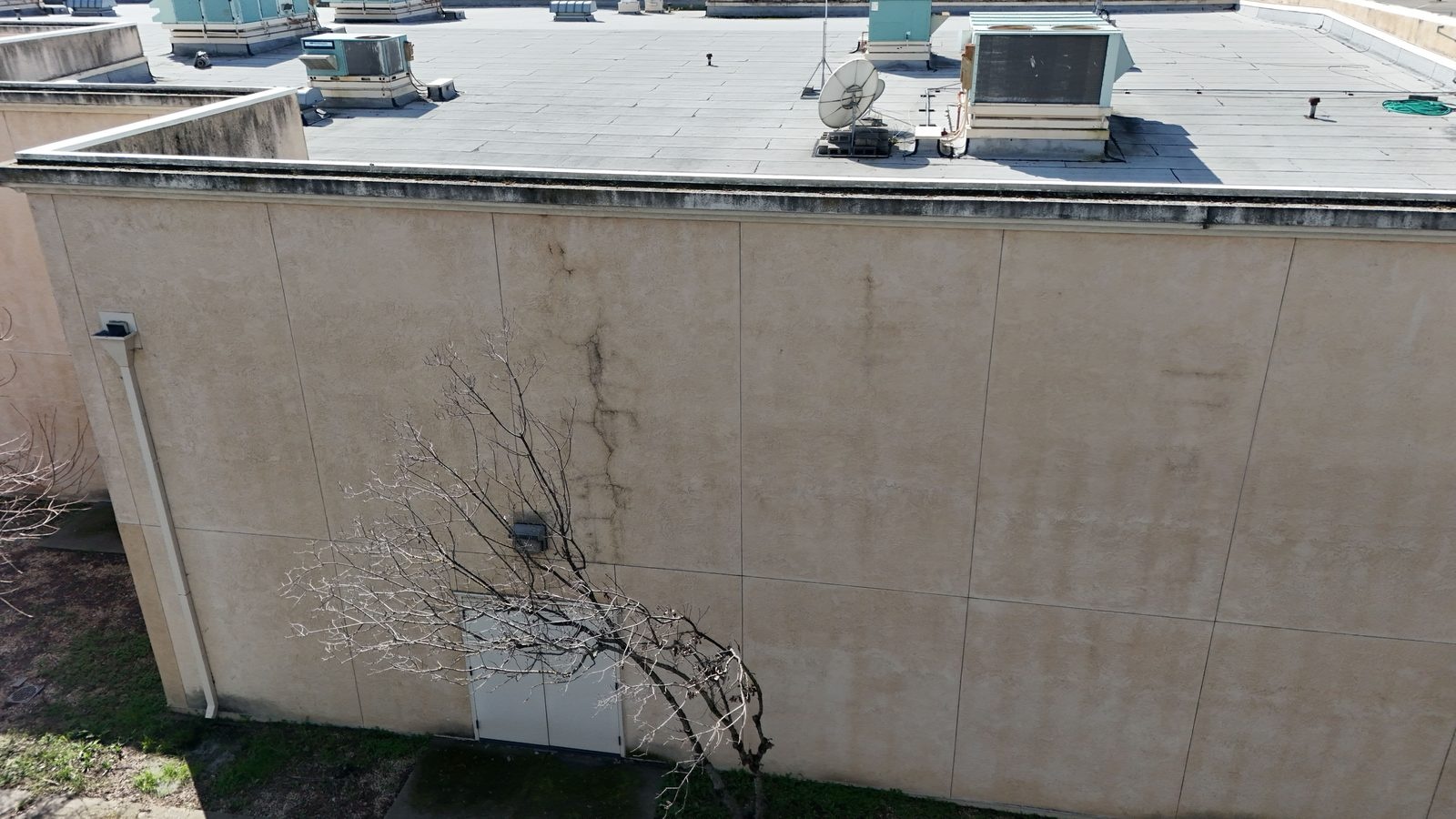
Deferred maintenance is easy to justify in the moment. A minor roof leak gets a bucket instead of a repair crew. A compressor making an odd noise gets monitored instead of serviced. None of it looks urgent on its own, and skipping it frees up cash for something else this quarter. The problem is that deferred maintenance doesn't actually save money - it just moves the cost to a later date, attaches interest, and often converts a planned repair into an emergency one.
For owners, buyers, and lenders, understanding how that cost compounds is one of the most practical reasons to commission a thorough inspection before it becomes someone else's emergency.
Why Deferred Maintenance Feels Free - Until It Isn't
Every commercial property has an operating budget (OPEX) and a capital budget (CAPEX). Routine maintenance - servicing equipment, sealing minor cracks, replacing worn components before they fail - is supposed to come out of OPEX, where it's predictable and relatively small. When maintenance is deferred, the underlying problem doesn't go away; it continues to degrade until it eventually forces a much larger, unplanned expenditure out of CAPEX or an emergency repair budget. That shift - from small, predictable operating costs to large, unpredictable capital costs - is the core mechanism behind deferred maintenance's hidden expense. It also destabilizes financial planning: capital reserves that were meant to fund a planned roof replacement or parking lot resurfacing get consumed instead by fixing something that should have been caught years earlier.
The Compounding Cost Curve
Building industry estimates vary, but they point in the same direction consistently: a repair deferred tends to cost several times more by the time it's finally addressed, and the multiplier grows the longer it's ignored. A widely cited industry rule of thumb holds that every dollar saved by postponing a maintenance item results in roughly four dollars of additional capital cost down the line, with the gap widening the longer the deferral continues.
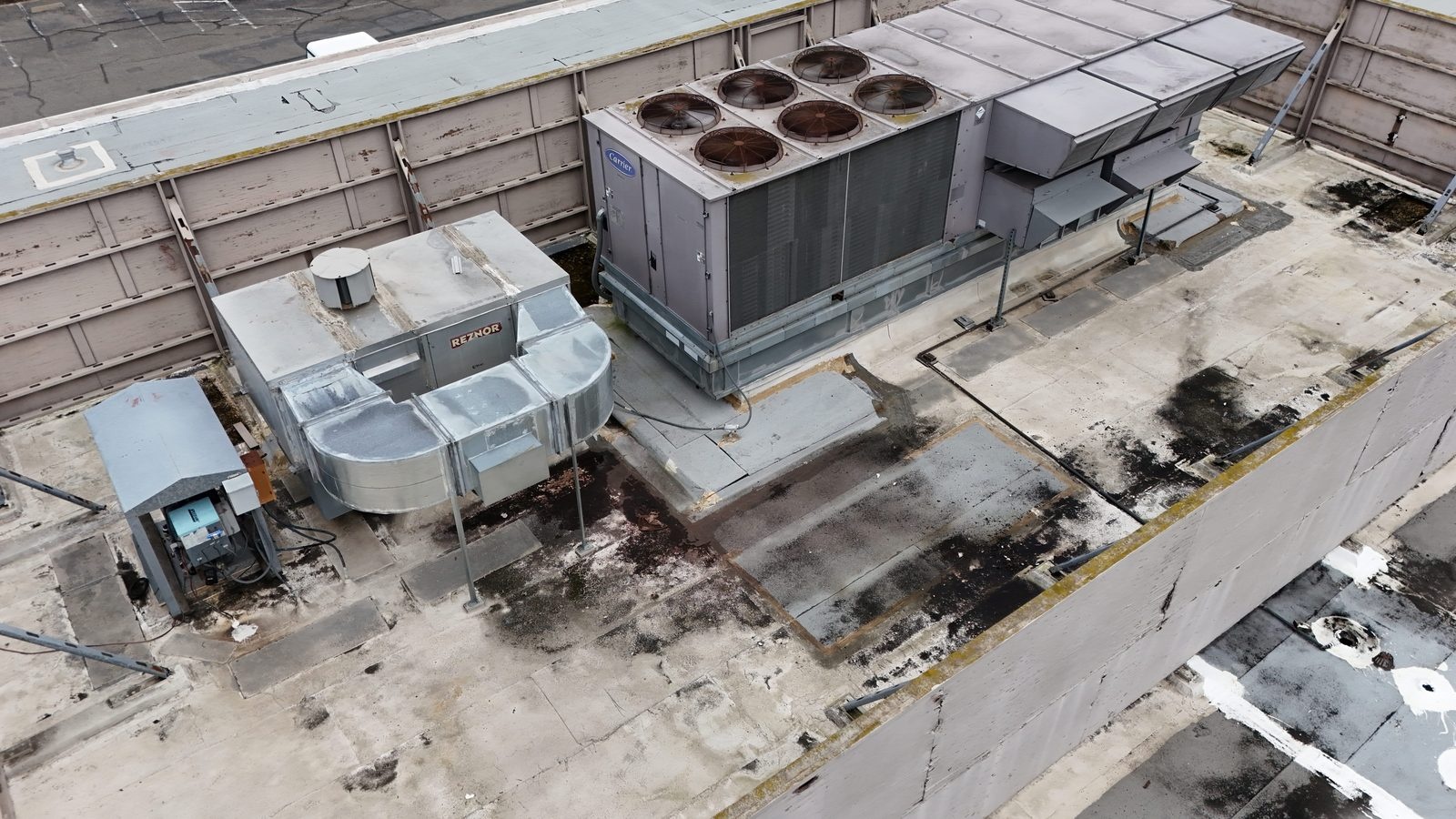
The pattern shows up consistently across building systems. An HVAC compressor showing early wear might be serviceable for a few hundred dollars - caught late, after a catastrophic failure, the same problem can mean an emergency chiller or rooftop unit replacement running into the tens of thousands, plus the cost of temporary cooling and tenant disruption. A roof membrane with minor surface cracking is a straightforward, inexpensive repair - left alone, water intrusion can spread into structural decking and interior finishes, turning a patch job into a full remediation project. The dollar figures vary by building and by market, but the direction of the curve doesn't: small, ignored problems get expensive fast, and they rarely get cheaper by waiting.
Where It Shows Up in an Inspection Report
A ComSOP-based commercial inspection is built to catch these problems while they're still small. Because the inspection documents estimated remaining useful life for major components - not just their current condition - it flags systems that are approaching the end of their service life before they fail outright. Roofing, HVAC, electrical distribution equipment, plumbing, and building envelope systems are the categories where deferred maintenance shows up most often in Bay Area commercial buildings, frequently compounded by age, marine moisture exposure, and deferred capital planning from prior ownership.
This is also where a Cost-to-Remedy opinion and a Capital Forecast Table earn their keep. Rather than leaving "the roof is old" as a vague concern, these deliverables translate findings into a dollar figure and a timeline - the difference between a general impression and an actionable number a buyer can use in negotiation or a lender can use in underwriting.
The Insurance and Financing Angle
Deferred maintenance isn't just a repair-cost problem - it increasingly shows up on the insurance and financing side of a transaction as well. Carriers have gotten more aggressive about excluding maintenance-related damage from coverage, and some now require a documented preventive maintenance history or will adjust premiums - or decline renewal - when a visible maintenance backlog is discovered during underwriting. Lenders view the same signals through a due diligence lens: a property with a documented pattern of deferred maintenance represents added risk to the collateral, which can affect loan terms.
How a PCA Changes the Calculus
The value of a Property Condition Assessment isn't just identifying what's currently broken - it's establishing a baseline that separates routine wear from a genuine deferred-maintenance pattern, and quantifying what each will cost to address on a realistic timeline. For buyers, that baseline is negotiating leverage. For owners, it's the foundation for a capital plan that gets ahead of problems instead of reacting to them. For lenders, it's the documentation that supports a defensible underwriting decision.
Deferred maintenance is rarely a single dramatic failure - it's a slow accumulation of small decisions to wait. The earlier those decisions get documented and priced, the more options everyone in the transaction has.