Air Quality/Mold Testing
Air sampling and surface testing to identify mold spores and other indoor air contaminants, protecting occupant health and informing remediation decisions before purchase.
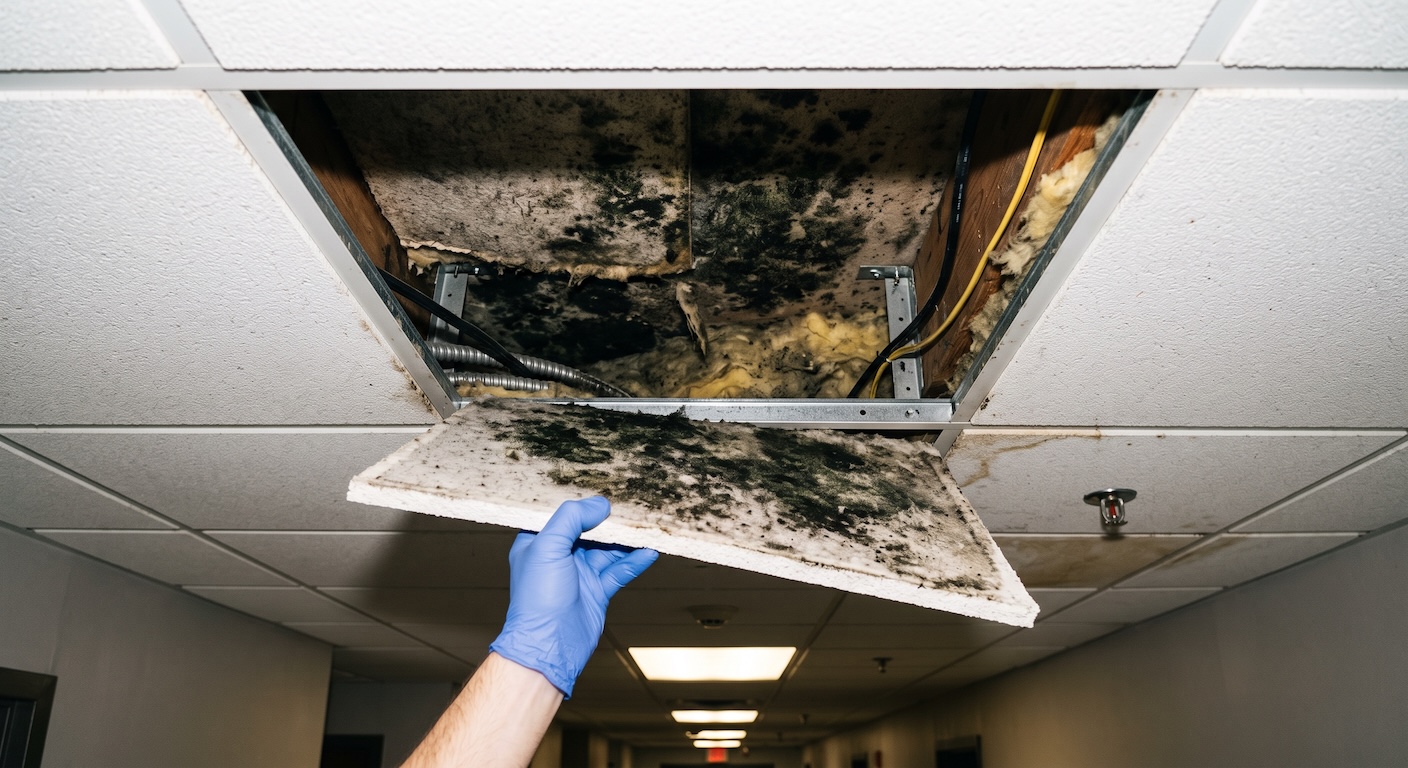
Why Indoor Air Quality Testing Matters
Mold is a common and often hidden problem in commercial buildings, particularly in older construction, properties with a history of water intrusion, or buildings with inadequate ventilation. Mold spores and other biological contaminants can affect occupant health, trigger liability, and significantly complicate a transaction once discovered post-closing. Air testing the indoor environment provides objective data about what's actually present, at what concentrations, and whether those levels are elevated relative to outdoor baseline conditions.
Air Sampling vs. Surface Testing
Air sampling involves drawing measured volumes of air through collection cassettes, which are then analyzed by an accredited laboratory. The lab identifies and quantifies mold spore types present, and the results are compared against outdoor control samples to determine whether indoor levels are abnormally elevated. This is the most reliable method for assessing occupant exposure and determining whether an environment is suitable for use.
Surface sampling (tape lift or swab) is used to confirm the species and concentration of mold growth on a specific surface, useful for determining whether visible discoloration is mold and what type, which informs remediation scope and cost.
When to Test
- Any building with visible staining, musty odor, or documented water intrusion history
- Buildings with HVAC systems that may harbor biological growth (older duct systems, cooling coil condensate pans)
- Properties where tenants or occupants have reported unexplained respiratory symptoms
- Pre-purchase due diligence when the building's moisture history is unknown or suspect
- Post-remediation verification to confirm that corrective work was effective
What You Get
A laboratory report from an accredited testing facility, accompanied by a written interpretation of the results, identifying whether indoor spore levels are elevated, which species are present, and what the findings suggest about the building's condition. Findings are cross-referenced with any moisture-related observations from the core inspection.
Build Your Custom Inspection Scope
Tell us about your property, your timeline, and your due diligence needs. We'll recommend the right combination of services.